
What we explore
Our work unfolds as a series of living inquiries.
Not defined by fixed problems or predefined solutions, but by entering into the dynamics through which reality takes shape — exploring how relationships, interactions, and conditions give rise to what we perceive, experience, and create.
Each field is not a category to be solved,
but a territory to be entered, observed, and experimented with over time.
We do not approach these domains as separate.
They are entangled, constantly influencing one another — forming a continuous field of relationships through which life expresses and evolves.
At the core lies an ongoing inquiry:
how relationships and interactions — across dimensions and scales — can be engaged and shaped in ways that reveal deeper layers of relational intelligence,
and orient systems toward greater coherence, more harmonious modes of interaction, and evolving, regenerative forms of value and meaning.
These are not predefined outcomes to impose,
but directional qualities that guide how we explore, design, and participate within the systems we are part of.
A relational lens
Across all fields, we explore how different elements — human, ecological, material, technological, spatial, sensory, and systemic — interact and influence one another.
Not as isolated components,
but as interdependent layers of a living system, whose relationships shape what emerges.
Where this work becomes tangible
These explorations take form across different contexts in which complex systems unfold.
This includes, for example:
built environments and urban systems
learning and research environments
organisations and collaborative structures
ecological and regenerative systems
cultural and experiential contexts
innovation and transdisciplinary spaces
These are not fixed domains,
but living contexts where relationships between elements shape how systems behave, evolve, and generate value.
Fields of Experience — Living Systems & Presence
Experience does not originate within the human alone.
It emerges through the conditions created by interactions between living systems, environments, and contexts.
We explore:
how experience arises from ecological, spatial, and relational conditions
how environments act as active agents shaping behaviour and interaction
how human and more-than-human systems co-generate fields of experience
how different configurations of systems produce different experiential qualities
Illsustrative explorations
Designing environments that attune perception to natural and systemic rhythms
Exploring how ecological and spatial conditions shape behaviour across species
Testing how different system configurations generate different experiential fields
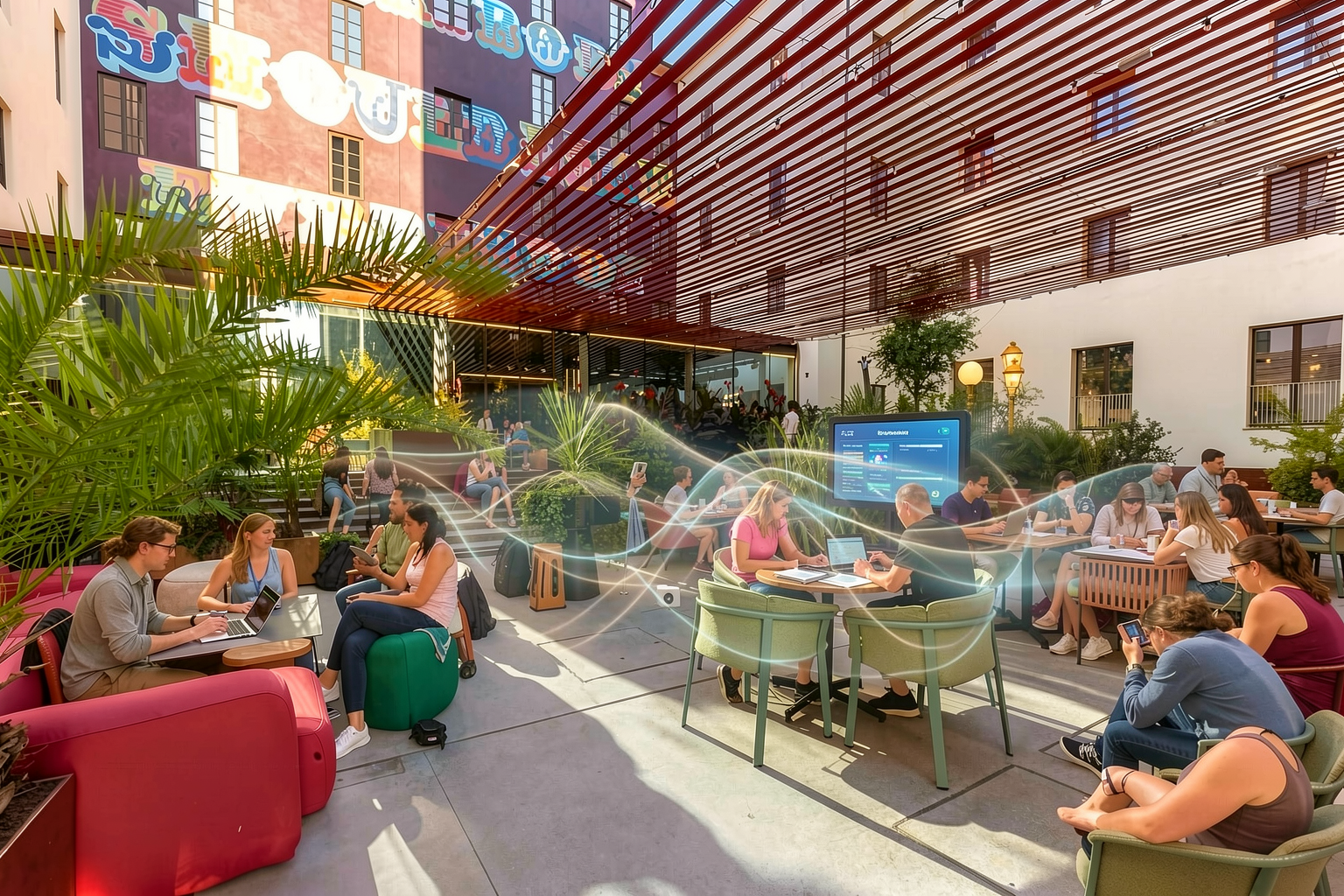
Perception & States of Awareness
Perception is not fixed — it is shaped by how we engage, attend, and participate.
It is the interface through which we access and make sense of the fields we are part of.
We explore:
how perception is shaped through interaction with environments and systems
how attention, rhythm, and context influence states of awareness
how different modes of perception reveal different layers of reality
how shifts in perception change how systems are interpreted and engaged with
Illustrative explorations:
Designing conditions that shift from passive observation to active perception
Exploring how attention alters what becomes visible or meaningful
Testing how different configurations influence clarity, openness, and awareness
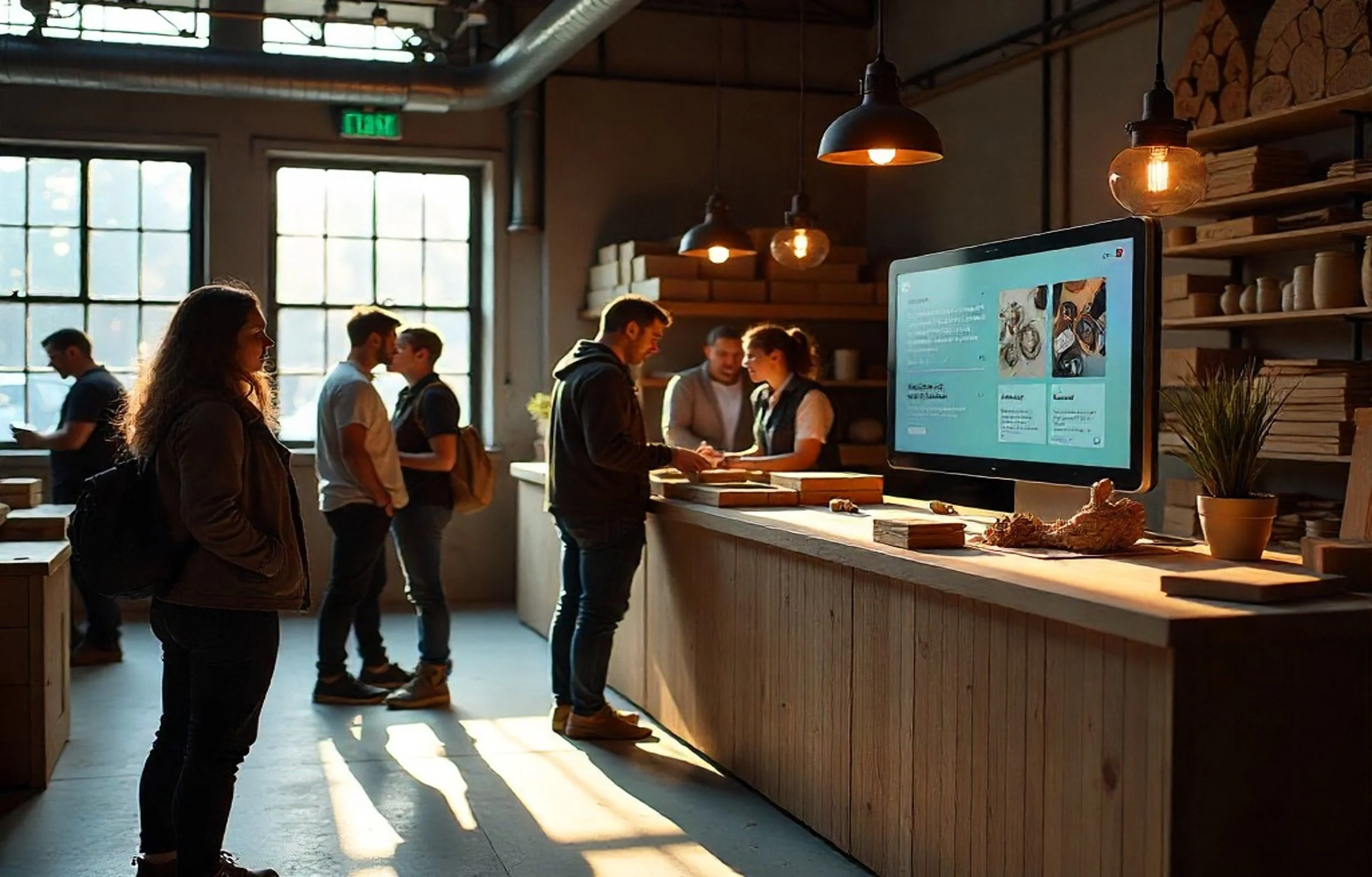
Relational Fields — Interaction, Signal & Meaning
Between things, something happens.
Interactions generate fields — patterns of influence, signals, and exchanges through which systems sense, adapt, and respond.
We explore:
how relationships form dynamic fields of interaction across living and non-living elements
how signals — visible and invisible — shape behaviour, perception, and response
how patterns of interaction form an underlying language through which systems communicate
how meaning is not fixed, but continuously generated through relation
Illustrative explorations:
Revealing how subtle shifts in timing, rhythm, and proximity alter collective dynamics
Designing conditions where new forms of coordination, exchange, or coexistence can emerge
Exploring how different configurations generate different “signals” — shaping how systems are felt and engaged with
Systems of Value — From Extraction to Regeneration
Value is not produced in isolation.
It emerges through relationships.
We explore:
how value arises across ecological, social, experiential, and systemic dimensions
how systems can move from extraction to regeneration
how coherence across relationships shapes long-term viability
Illustrative explorations:
Prototyping systems where multiple forms of value reinforce one another
Exploring new ways of sensing and recognising value beyond conventional metrics
Designing systems that sustain and regenerate over time
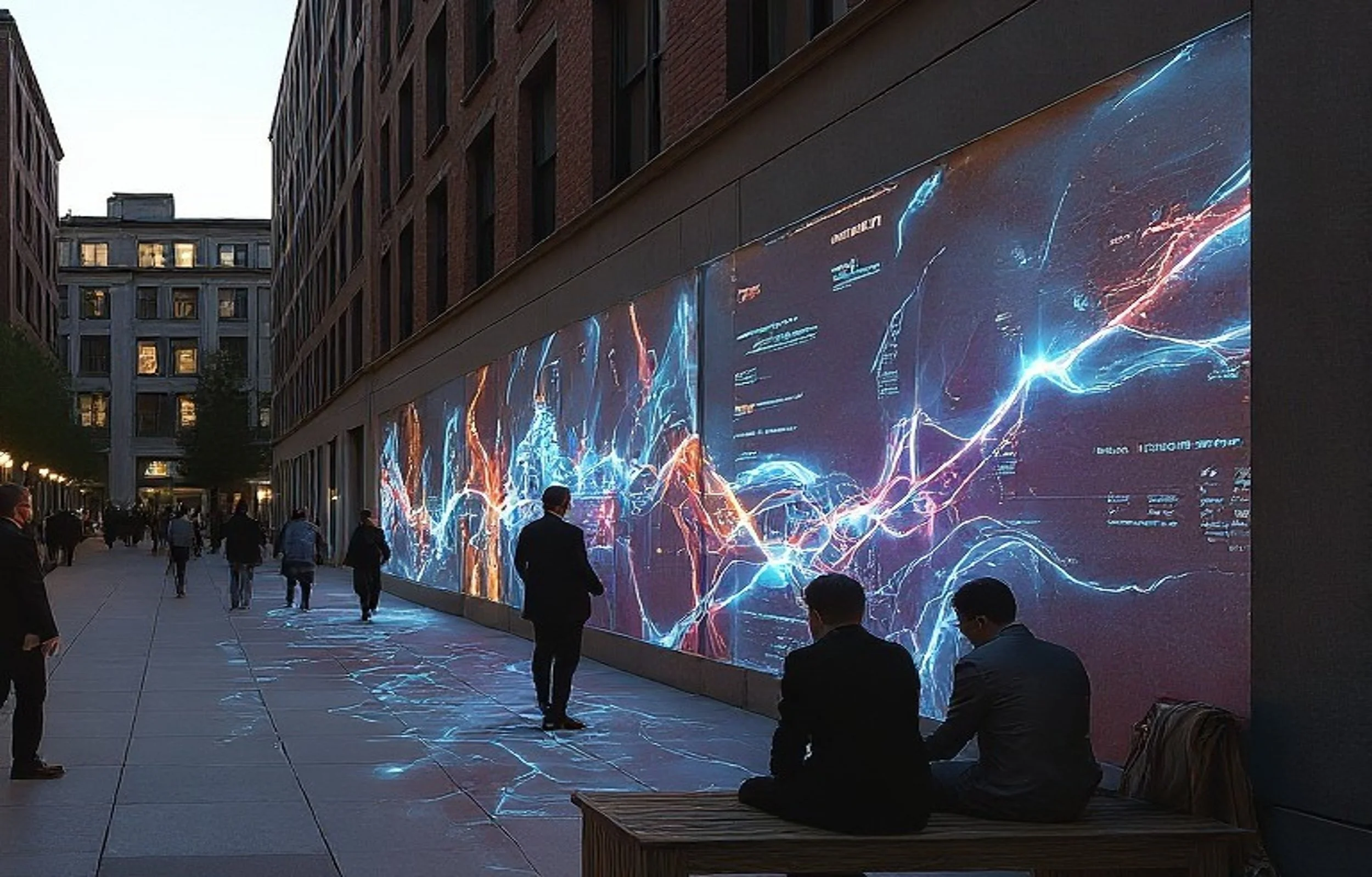
Material, Technology & Extended Ecologies
Materials and technologies are not neutral.
They participate in shaping how systems relate, perceive, and evolve.
We explore:
how materials influence not only function, but perception, behaviour, and meaning
how technologies extend and reshape relational dynamics across systems
how physical, digital, and ecological layers form interconnected, evolving environments
Illustrative explorations:
Exploring how material choices influence relational quality and experience
Testing how technological systems shape behaviour and interaction
Designing interactions across physical, digital, and ecological layers
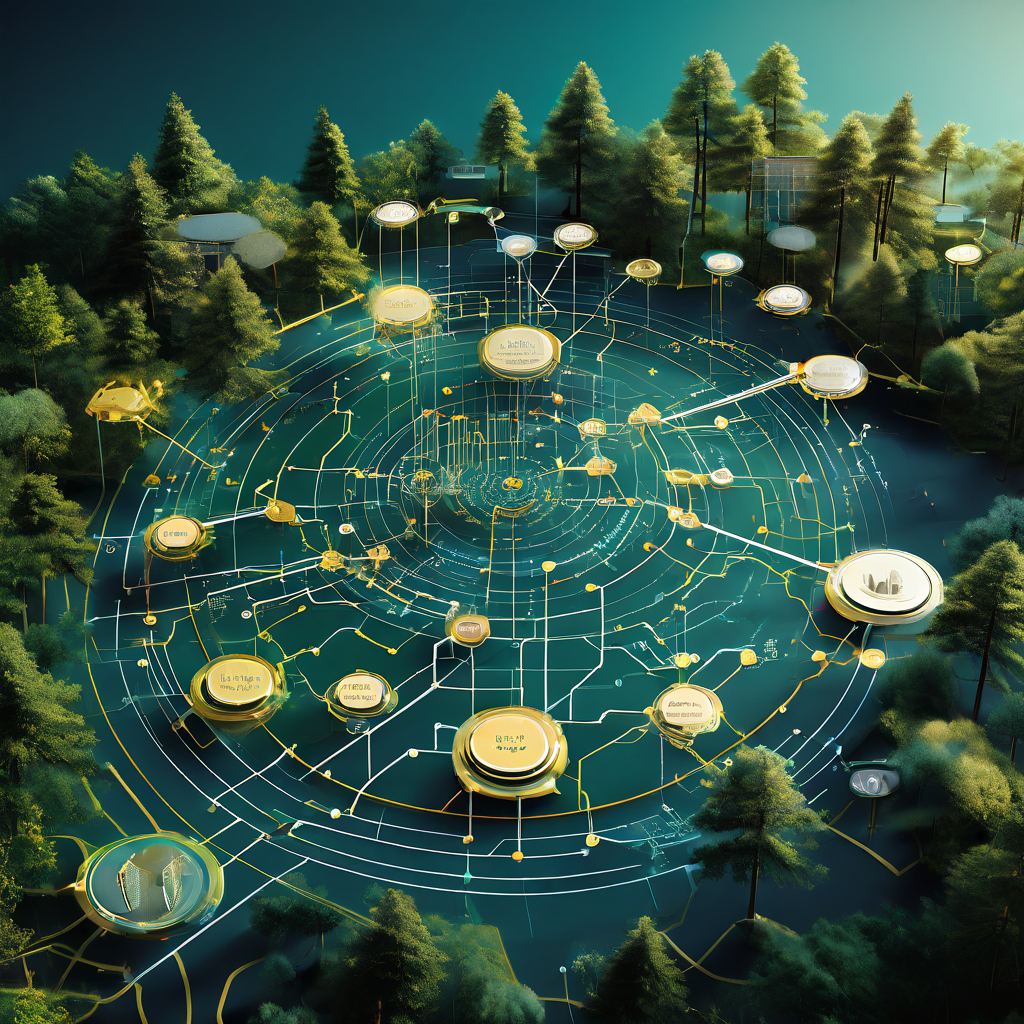

Evolutionary Dynamics — Emergence, Feedback & Coherence
Nothing is static.
Everything is in continuous formation.
Systems evolve through interaction, feedback, and adaptation —not through control, but through participation in ongoing processes.
We explore:
how patterns emerge through repeated interaction across scales
how feedback loops shape behaviour and transformation
how coherence arises across dimensions over time
how different disciplines and ways of knowing can be woven together
Illustrative explorations:
Identifying feedback loops that reinforce or destabilize systems
Designing conditions for self-reinforcing, regenerative dynamics
Exploring how small interventions can shift entire systems
Connecting perspectives to reveal hidden patterns and possibilities
These fields are not separate They are expressions of a single, evolving fabric of relationships.
Our work moves within this fabric — entering at different points, exploring different configurations, and allowing new possibilities to emerge over time.
At the core lies a simple but radical shift: not designing for life, but learning how to design with it.